Construction has always been tough. Heavy lifting, challenging terrain, strict deadlines and sheer physicality make it a demanding environment. But in an industry where the strength lies in its people, it’s important to realise that people come in many shapes and abilities. The idea that construction is only for those who are at peak physical fitness is outdated, and the Equality Act 2010 makes it clear that employers must treat disabled workers the same as non‑disabled workers, ensuring equal pay, opportunities, training and promotion prospects. For people with disabilities, construction can be a viable, rewarding career.
Disability doesn’t have to be visible or permanent. Sensory impairments, neurodivergence, mental‑health conditions, communication difficulties, and coordination or concentration challenges can all constitute a disability under the Act. Too often, people assume disability means a wheelchair or a walking aid, but this can exclude many individuals whose skills and perspective could greatly benefit the industry.
For employers, embracing inclusivity is an opportunity. A diverse workforce brings a broader range of experiences, different perspectives, and increased loyalty. Many workers with disabilities who feel supported and valued stay with employers for the long term, becoming skilled and dedicated members of the team. Their commitment is often strengthened precisely because their employer recognised their worth and made the workplace accessible.
Accessibility can often be achieved through basic adjustments rather than major changes. This might be as simple as adapting controls on machinery, supplying different tools, or modifying a workstation. Alternatively, adjustments might involve flexible working, different communication methods, or changes to how tasks are allocated across a team. What matters is that adjustments are sensible, proportionate and tailored to the individual, and that a culture open to conversation, where workers feel safe to disclose needs, is as valued as any physical adaptation.
Likewise, health and safety should not become a barrier to inclusion. Risk assessments are vital on any site but they shouldn’t automatically exclude individuals because of a disability. Instead, teams should review existing site risks, identify where additional measures may be needed, and work with the individual concerned to find safe and practical solutions. In many cases, support might involve measures such as altered lifting methods, adjusted workloads, or extra training. These are small steps that can make the difference between exclusion and opportunity.
The benefits for the wider industry are significant. With an ongoing skills shortage, the sector could benefit by engaging with nearly one in five working‑age adults who qualify as disabled under the Equality Act. By widening recruitment practices, rethinking what “fit for the job” means, and embracing neurodiversity and difference, construction firms can tap into a wider pool of talent. This allows businesses to meet demand and adapt to new technologies while building teams who bring different strengths to the job.
Change begins with culture. Senior leaders and managers can set the tone by demonstrating openness to difference, encouraging conversations around need and adjustment, and showing that being inclusive is part of the company’s values. Recruitment and job descriptions could make it clear that adjustments are available, and that applications from disabled people are welcome.
An inclusive construction industry is one where ability is defined by what someone can do, not by assumptions about what they can’t. Giving people a fair opportunity to contribute builds a stronger, more sustainable industry.
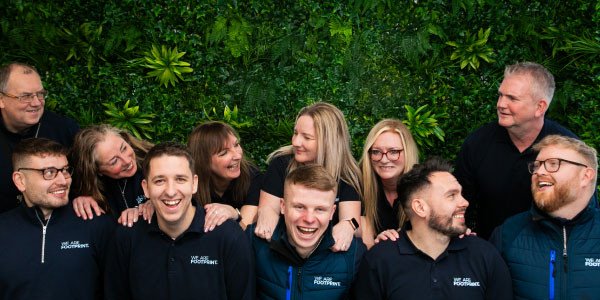
At We Are Footprint, we believe inclusivity is not just a compliance issue. Construction is built on people, and those people deserve opportunities and support, no matter their background or ability. When employers commit to fairness, flexibility and respect, they benefit from the full potential of their workforce.